What is an example of a low impact development?
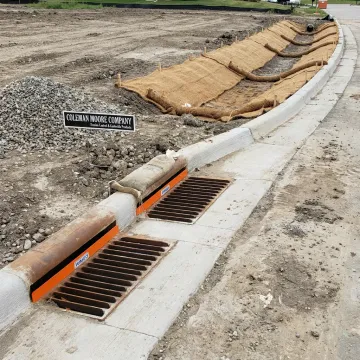
An example of low impact development is a bioswale designed to slow, filter, and infiltrate stormwater runoff near parking lots, roadways, or developed sites. Other examples include rain gardens, permeable pavement, vegetated swales, soil amendments, and infiltration areas. Coleman Moore Company supports these approaches with materials such as erosion control blankets, geotextiles, inlet protection, and water quality products.
What is the difference between a swale and a Bioswale?
A swale is generally a shallow, graded channel that conveys stormwater across or away from a site. A bioswale is a more treatment-focused version, typically using vegetation, engineered soil, stone, and filtration layers to slow runoff and remove pollutants. Bioswales are common in low impact development because they combine drainage function with water quality benefits.
How much does a stormwater management plan cost?
Stormwater management plan costs depend on site size, drainage complexity, soil conditions, regulatory requirements, engineering needs, and the materials selected. Coleman Moore Company does not publish one-size-fits-all plan pricing, but we do help project teams review site needs, evaluate product options, and request material quotes so budgets can be built around practical, constructible solutions.
What materials are used for low impact development stormwater systems?
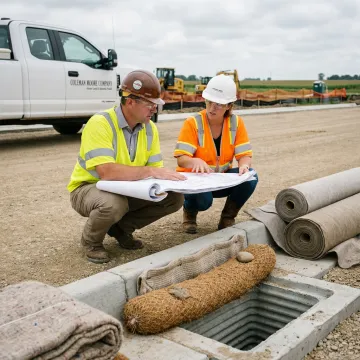
Common materials include geotextiles, geogrids, amended soils, erosion control blankets, turf reinforcement mats, sediment logs, inlet protection filters, drainage stone, and water treatment products. The right combination depends on whether the system must infiltrate runoff, stabilize soil, filter sediment, protect channels, or support vegetation. Coleman Moore Company helps match materials to project goals.
Can Coleman Moore Company help with product selection?
Yes. Coleman Moore Company provides strategic site evaluations, brand and product analysis, cost-benefit review, design assistance, and installation consultation. Customers can submit project details for recommendations and material quotes across geosynthetics, erosion and sediment control, soil amendments, water quality, and related categories. The goal is to help teams choose products before delays or field issues occur.
Do low impact development systems help with compliance?
Low impact development systems can support compliance by reducing runoff volume, improving water quality, limiting sediment discharge, and protecting downstream infrastructure. Requirements vary by project type and reviewing agency, so engineers and regulators should confirm final design criteria. Coleman Moore Company supports compliance efforts by supplying tested, specified, and field-proven stormwater and erosion control materials.
When should stormwater materials be selected for a project?
Stormwater materials should be evaluated as early as possible, ideally during design or preconstruction planning. Early selection helps avoid incompatible products, delivery delays, budget surprises, and installation problems. Coleman Moore Company can review conditions, compare product options, and provide material recommendations before construction begins, while still supporting teams when field conditions change.
Does Coleman Moore Company serve projects outside Des Moines?
Yes. Coleman Moore Company was established to supply geogrids, geotextiles, erosion control, and sediment products throughout Iowa. While the company’s offices and warehouse are located in Des Moines, its products and project support serve contractors, engineers, municipalities, developers, DOTs, DNRs, and regulatory agencies across the state.